Experienced Concrete Contractor for All Your Building Needs
Retaining a experienced concrete service provider is essential for the success of any construction venture. Their expertise guarantees that tasks are concluded productively and to a premium standard. These individuals address challenges with skill and have cultivated connections that reduce complexity in material sourcing. Understanding local regulations and prioritizing safety are also key aspects of their role. Yet, many fail to recognize the future advantages of choosing the right contractor. What factors should one evaluate when making this important decision?
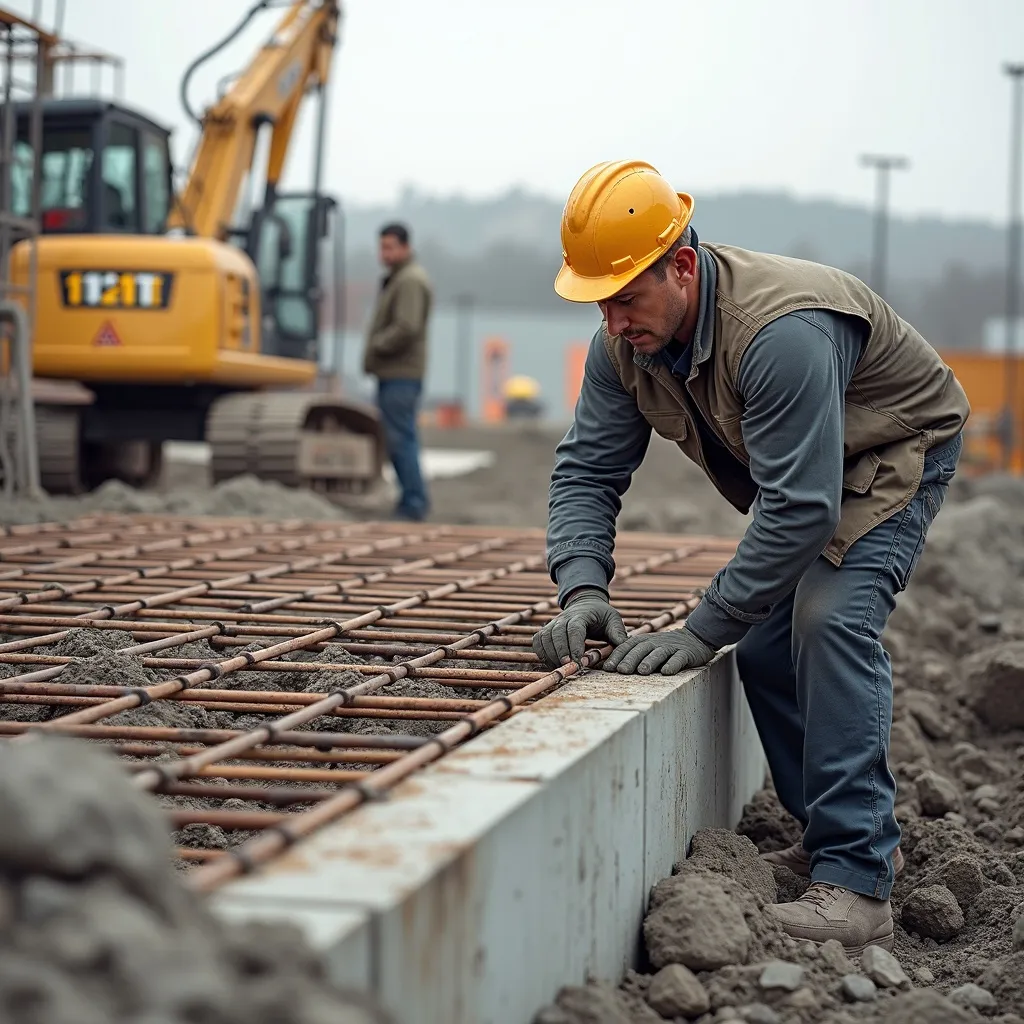
Why Appointing an Proficient Concrete Contractor Holds Value
When weighing a building proposal, the importance of retaining an veteran concrete contractor is undeniable. An experienced contractor contributes a tremendous store of knowledge and capabilities that are imperative for safeguarding the quality and durability of concrete work. Their expertise with multiple techniques and options facilitates wiser judgment, ultimately producing a more dependable and reliable structure.
Furthermore, experienced contractors are skilled in navigating potential challenges that may occur during the construction process. They are equipped to handle unforeseen problems effectively, minimizing delays and extra expenses. In addition, an experienced contractor often has strong connections with suppliers and subcontractors, which can optimize the procurement of supplies and materials.
Key Attributes of a Dependable Concrete Contractor
A reliable concrete construction specialist possesses several essential characteristics that distinguish them in the construction industry. First and foremost, strong communication skills are fundamental; they ensure that clients are informed during the entire project, building confidence and understanding. Additionally, a solid reputation established through favorable client reviews and referrals indicates a contractor's dependability and work quality.
Additionally, skill in various concrete applications, combined with familiarity with the latest techniques and materials, enables them to produce superior results. Close attention to detail is another vital quality, as it confirms precise measurements and superior standards of workmanship.
At last, a pledge to safety and regulatory compliance reflect expert conduct and reliability. By adopting these traits, a reputable concrete contractor not only exceeds client demands but also contributes to effective project completion, proving them crucial in the construction industry.
A Guide to Finding the Perfect Concrete Project for Your Specifications
Choosing the right concrete task requires precise thought of exact needs and objectives. Individuals should start by evaluating the intended use of the concrete, whether for driveways, foundations, or decorative elements. A clear insight of the project's purpose shapes the selection of materials and methods.
Next, budget constraints serve as an vital role. Analyzing available financial resources aids in deciding the scale and complexity of the project. Additionally, the local climate can influence the choice of concrete composition and application methods, ensuring endurance and extended lifespan.
It is also important to account for the schedule for completing your project. Some concrete work demand time for curing, which may affect scheduling. Speaking with an skilled concrete professional can deliver valuable insights into the best practices and possible choices. In the end, aligning the project's specifics with individual needs leads to a successful concrete undertaking that achieves the intended results.
What You Must to Know About Local Concrete Regulations?
Comprehending local concrete regulations is essential for any construction project, as these rules govern various elements of concrete application, including material specifications, placement procedures, and environmental considerations. These requirements are typically established by municipal or state authorities and can vary greatly from one location to another.
Contractors must understand zoning laws, which can affect where concrete structures may be built. Additionally, building codes often specify the required strength and composition of concrete mixes, guaranteeing safety and durability. Environmental regulations may also require the use of eco-friendly materials and proper waste disposal methods to minimize environmental impact.
Noncompliance with these regulations can trigger fines, construction delays, or even lawsuits. In turn, liaising with local authorities early in the planning process is advisable. Understanding and complying with these regulations not only promotes community safety but also reinforces the integrity of the construction project.
Expert Construction Professionals Reduce You Valuable Hours and Expenses
Professional contractors assume a key position in streamlining construction projects, allowing clients to benefit from both time optimization and cost savings. Their extensive experience permits them to tackle complex tasks rapidly, reducing the overall project timeline. By leveraging industry connections, professional contractors often secure better pricing on materials, leading to lower costs for clients.
Moreover, their knowledge of local laws ensures compliance, which minimizes the risk information of expensive delays and penalties. Effective project oversight is an additional key benefit, as these experts manage workforce and resources, avoiding obstacles that can result in increased costs.
Moreover, by utilizing established methods, expert contractors reduce the probability of mistakes, which can cause costly revisions. Ultimately, hiring an experienced contractor not only enhances the caliber of the undertaking but also maximizes budget allocation, making it a sound investment for any building project.
The Relevance of Excellent Resources and Processes in Concrete Work
Quality in concrete work is crucial, as it directly affects the durability and longevity of any construction project. The choice of high-grade materials plays a essential role; inferior concrete can lead to cracking, erosion, and structural failure over time. Using quality aggregates, cement, and additives ensures that the final product can withstand environmental stresses and heavy loads.
Furthermore, employing sophisticated methods during the mixing, pouring, and curing stages markedly enhances the integrity of the concrete. Proper proportional blends and curing methods help attaining ideal durability and minimize vulnerabilities. Experienced professionals comprehend these nuances and implement proven methods to ensure exceptional results.
Ultimately, putting money into high-quality materials and methods not only enhances the structural integrity but also minimizes ongoing maintenance expenses. This foundation of reliability is essential for both residential and commercial projects, ensuring that they endure through the years. Quality in concrete work is an investment with significant returns.
Frequently Asked Questions
Which Varieties of Concrete Solutions Do Contractors Commonly Offer?
Concrete contractors commonly provide a wide range of services including foundation pouring, driveway installation, decorative concrete services, slab construction, sidewalk and patio creation, resurfacing and repairs, as well as concrete demolition and recycling.
How much duration will a conventional concrete assignment normally consume?
A typical concrete project usually takes between one to three days, based on factors such as project size, complexity, weather conditions, and curing time. Bigger or more complex projects may need additional time for completion.
What Are the Typical Signs of Substandard Concrete Work?
Typical indicators of poor concrete work include visible cracks, irregular texture, improper drainage, discoloration, flaking, and powdery deterioration. These issues typically suggest inadequate curing, improper mixing, or inadequate groundwork, undermining the building's soundness and durability.
May I Inquire about Tailored Designs for My Concrete Project?
Yes, bespoke designs for concrete projects can be requested. Many contractors offer flexibility in design, giving customers to weave in unique features and design elements that harmonize with their vision, elevating both functionality and visual appeal.
What Effects Do Weather Conditions Have on Concrete Curing?
Weather circumstances greatly influence concrete curing. High temperatures can expedite moisture loss, leading to cracking, while cold can slow the process, threatening incomplete hydration. Ideal curing requires moderate temperatures and maintained moisture to secure durability and strength.